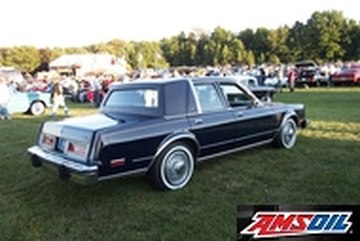
Engine Lubrication Maintenance for the 1981 Chrysler LEBARON 3.7L
Maintaining the lubrication system of a 1981 Chrysler LEBARON with the 3.7L engine requires consistent attention to fluid condition and component integrity. As vehicles age, the way they manage heat and internal friction can change, making regular inspections even more vital for long-term operation. Proper oil management is not just about changing the fluid; it involves monitoring the entire environment in which that lubricant operates.
Monitoring Fluid Condition and Potential Leaks
One of the most effective ways to monitor the health of the 3.7L engine is through regular visual inspections for any signs of fluid seepage. Because this vehicle has been in operation for several decades, it is practical to check around various sealing surfaces and gaskets for evidence of oil presence. If you notice wetness or residue on the underside of the engine or near the bottom of the block, it warrants a closer investigation.
When performing these checks, look for:
- Accumulations of dark, oily residue around various engine junctions.
- Fresh drips found on the ground after the vehicle has been parked.
- Changes in the color or smell of the oil when it is checked via the dipstick.
It is important to remember that a single symptom, such as an oil odor or a small spot on the driveway, can be associated with several different causes. Rather than assuming a specific component has failed, use these observations as a prompt to inspect the engine bay more thoroughly. Identifying a minor seepage early can prevent more significant issues later.
Observing Changes in Lubricant Behavior
Beyond looking for external leaks, an owner should pay close attention to how the engine behaves during operation. Any deviation from the vehicle's normal operating state should be investigated. For instance, if you notice a change in the way the engine sounds or if there is an unusual amount of smoke from the exhaust, these can be indicators that the lubrication system requires attention.
Unusual mechanical noises can sometimes be linked to insufficient lubrication or changes in oil viscosity due to contamination. Similarly, if the vehicle appears to consume more oil than it has historically, this change in consumption patterns should be documented and addressed. Always treat new symptoms as a reason for a professional inspection rather than attempting to diagnose the specific internal cause yourself.
Prioritizing Maintenance Based on Current Condition
For an older vehicle like the 1981 Chrysler LEBARON, maintenance priorities should ideally be driven by the actual condition of the machine rather than just its age. If you are stepping into ownership without a complete service history, establishing a baseline is a highly effective first step. This involves performing a thorough inspection of all fluids and accessible components to see what state they are currently in.
If maintenance records are available, review them to identify when major services were last performed. If no records exist, focus on the following priorities:
- Addressing active concerns: Any visible leaks or warning indicators should be the first priority for investigation.
- Fluid integrity: Ensure that all lubricants are clean and meet the application requirements.
- Component inspection: If equipped, check the condition of accessible belts and hoses for signs of cracking, glazing, or deterioration.
By focusing on the current state of the vehicle, you can distinguish between necessary preventive maintenance and unnecessary parts replacement. This condition-based approach helps ensure that resources are directed toward the areas that will most benefit the engine's continued operation.
Managing Aging Engine Components
As a vehicle reaches higher ages, certain materials may become more sensitive to environmental factors and heat cycles. While many components are designed for longevity, it is wise to monitor aging parts such as electrical connections and wiring harnesses. Ensuring that connectors are clean and free from corrosion can prevent intermittent issues.
Additionally, if the vehicle is equipped with various belts or hoses, these should be inspected periodically. Look for signs of hardening, fraying, or surface cracking. While a component might appear functional, subtle changes in the texture or flexibility of rubber-based parts can indicate that they are nearing the end of their service life. Keeping a close eye on these items allows for more controlled maintenance planning.
The Role of Clean Lubrication in Engine Health
Engine oil performs several vital roles that go beyond simple lubrication. It acts as a medium for heat management, helping to carry thermal energy away from high-friction areas. Furthermore, the chemical additives within the oil help to manage internal contaminants and prevent the buildup of deposits that can interfere with engine performance.
Maintaining clean oil is essential because contaminants can change the fluid's ability to protect metal surfaces. Over time, the breakdown of lubricants or the introduction of combustion byproducts can affect how well the oil flows and how effectively it manages friction. Regular service ensures that the lubricant retains its intended properties, providing a consistent environment for all moving parts within the 3.7L engine.
Practical Advice for BUYING ENGINE OIL for your 1981 Chrysler LEBARON 3.7L
When it is time to replenish your engine oil, the most important step is to match the lubricant to the specific application requirements provided on this page. Because different engines have unique needs regarding fluid thickness and additive packages, you should never rely on general knowledge or assumptions based on the vehicle's age.
Before making a purchase, follow these practical steps:
- Verify Viscosity: Match the engine oil to the application-specific viscosity information shown above on this webpage. Do not use a grade that differs from the provided specification.
- Check Product Labels: Ensure the container clearly states it meets the appropriate API service categories for your needs.
- Consider Formulations: Depending on your specific engine condition, you may choose between conventional, synthetic blend, or full synthetic oils. Some high-mileage oil formulations contain additives intended for use in aging engines, including seal-conditioning additives, which may be a consideration for vehicles showing signs of older age.
- Confirm Quality: Always check the packaging to ensure the product is suitable for the 3.7L engine configuration as described in your vehicle's documentation.
By strictly adhering to the application-specific information displayed here, you ensure that the lubricant you select is appropriate for the mechanical requirements of your 1981 Chrysler LEBARON.